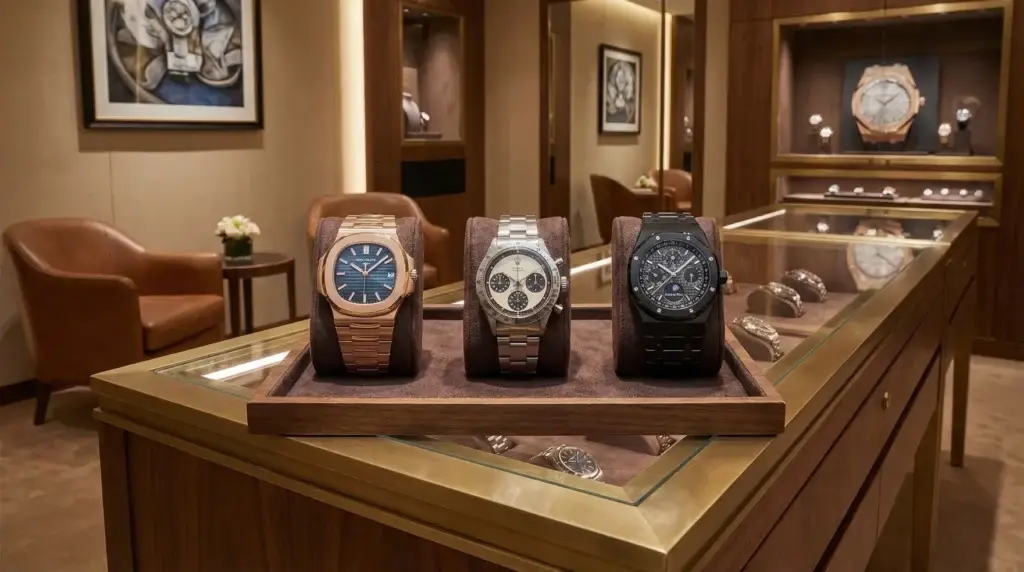
A comprehensive guide to navigating the world of super clone watches and selecting the timepiece that truly belongs on your wrist.
Standing at the crossroads of deciding to purchase your first replica watch is exciting, but it also presents a new challenge that many buyers underestimate: with hundreds of models, countless brands, and endless variations available, how do you possibly choose the right one?
The sheer abundance of options can feel overwhelming. Do you go for the undeniable status of a Rolex or the understated elegance of a Patek Philippe? Should you prioritize a watch that mimics a modern classic or one that captures vintage charm? Is a chronograph too busy for your style, or does a simple three-hander feel too plain?
This guide is designed to cut through the noise. We will walk you through a systematic approach to selecting the perfect replica watch—one that aligns with your lifestyle, suits your wrist, matches your budget, and ultimately brings you the satisfaction you are seeking. Whether you are drawn to the rugged tool-watch aesthetic or the refined elegance of a dress piece, making an informed choice ensures your first replica is one you will treasure for years.
-
Audemars Piguet
Audemars Piguet Offshore Chronograph Rose Gold
Original price was: $354.88.$180.79Current price is: $180.79. Add to cart -
Audemars Piguet
Audemars Piguet Royal Oak “The Jumbo”
Original price was: $354.88.$180.79Current price is: $180.79. Add to cart -
Audemars Piguet
Audemars Piguet Royal Oak Chronograph
Original price was: $354.88.$180.79Current price is: $180.79. Add to cart -
Audemars Piguet
Audemars Piguet Royal Oak Chronograph
Original price was: $354.88.$180.79Current price is: $180.79. Add to cart


Why Choice Matters: Beyond Just “A Rolex”
It is tempting to assume that choosing a replica watch is as simple as picking the most popular model and moving on. However, experienced enthusiasts know that the right choice depends on a complex interplay of personal factors.
A watch is more than a timekeeping device. It is an extension of your personality, a statement about your taste, and an accessory that you will likely wear for hours every day. A model that looks stunning in product photographs might feel cumbersome on your wrist or clash completely with your daily wardrobe. A style that suits your friend perfectly might feel entirely wrong for your lifestyle.
Taking the time to make a deliberate, informed choice transforms your purchase from a simple transaction into a genuinely satisfying addition to your life.
Step One: Define Your Purpose and Lifestyle
Before you even begin browsing specific models, take a honest look at your daily life and consider how a watch will fit into it. Your lifestyle should be the primary filter through which you evaluate every potential option.
Consider Your Daily Environment
What does your typical day look like? Do you work in a formal office setting where suits and dress shirts are the norm? Are you frequently in meetings where a watch might be noticed and appreciated? In this environment, a classic dress watch with a leather strap and clean dial might serve you beautifully.
Alternatively, do you work in a more casual environment, or spend your days moving between different settings? Perhaps you are in a creative field where personal expression is encouraged, or you work remotely and value versatility above all. For these scenarios, a sports model or an all-rounder like the Rolex Datejust might prove more appropriate.
Assess Your Activities
Be realistic about what you actually do while wearing a watch. Do you spend time at the gym several times weekly? Do you enjoy weekend DIY projects? Are you an avid swimmer or someone who simply wants the peace of mind that comes with not having to remove your watch before washing your hands?
While quality replicas offer reasonable water resistance for daily life, they are not designed for extreme conditions. If your activities regularly involve water exposure or rough treatment, you may want to prioritize models known for robust construction and avoid those with complicated chronograph pushers or delicate leather straps.
Think About Versatility
Some watches work beautifully in almost any setting. A stainless steel sports watch on a bracelet can transition from the office to a weekend outing without missing a beat. Other watches are more specialized—a gold dress watch with a leather strap may look perfect at a wedding but feel out of place at a casual barbecue.
If this is your first replica, or if you are building a collection from scratch, choosing a versatile model that handles multiple scenarios gracefully often proves wiser than selecting something highly specialized that you can only wear occasionally.
-
Men
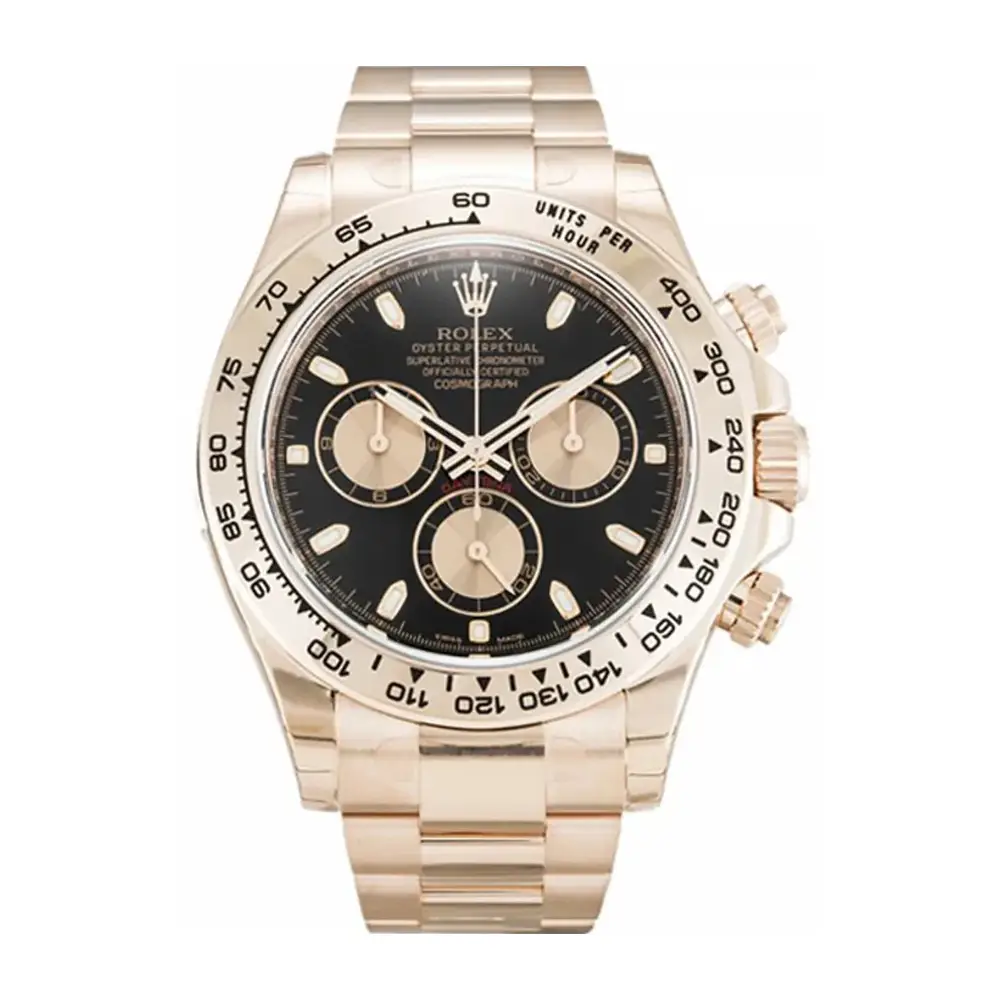
Daytona Gold Black Dial
Original price was: $354.88.$180.79Current price is: $180.79. Add to cart -
Men
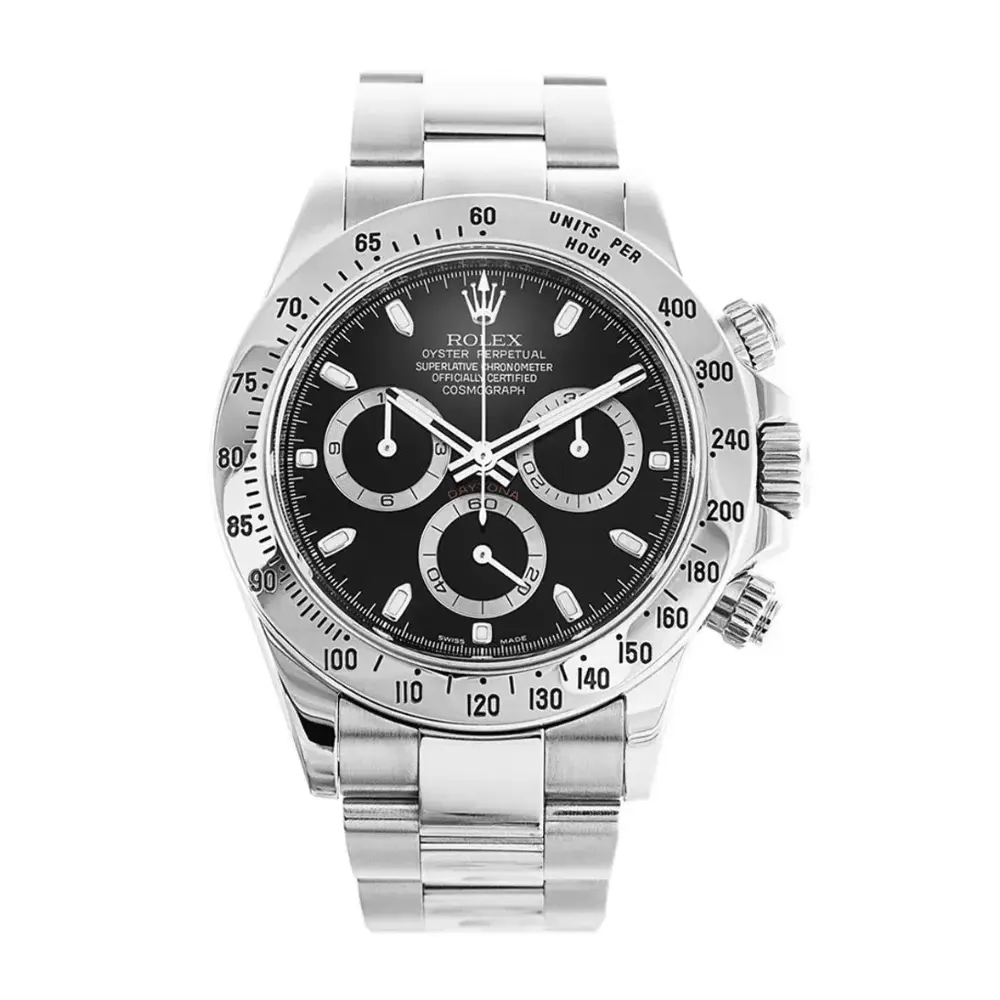
Daytona Stainless Steel, Black Dial
Original price was: $354.88.$180.79Current price is: $180.79. Add to cart -
Men
Rolex Datejust 41 “Mint”
Original price was: $354.88.$180.79Current price is: $180.79. Add to cart


Step Two: Consider Your Personal Style
Your watch should feel like you. It should complement your existing wardrobe and reflect your aesthetic preferences rather than fighting against them.
Examine Your Current Accessories
Take a look at the accessories you already wear regularly. What metals appear in your jewelry, belt buckles, or glasses? If you consistently wear silver-toned items, a stainless steel watch will integrate seamlessly. If you prefer gold tones, consider whether a two-tone or full gold finish suits your existing pieces.
What about your wallet, bags, or shoes? If you favor classic, understated leather goods, a watch with a clean dial and leather strap creates harmonious continuity. If your style leans more modern and minimal, a watch with simpler lines and a bracelet might feel more authentic to your aesthetic.
Consider Your Wardrobe Colors
The colors you wear most frequently should influence your dial choice. Black and white dials remain the most versatile options, working with virtually any outfit. Blue dials offer a subtle pop of color while remaining thoroughly wearable. Green, champagne, or other colored dials make stronger statements and may not coordinate as easily with everything you own.
Similarly, consider strap options. Stainless steel bracelets match almost anything. Leather straps in brown or black offer warmth and elegance but require some consideration of belt and shoe coordination. Rubber straps, common on dive watches, lean casual and sporty.
Reflect on Your Personality
Are you someone who appreciates understatement and subtlety? A minimalist model from brands like Nomos or a simple three-hand Rolex Oyster Perpetual might speak to you. Do you enjoy conversation starters and watches that draw attention? A flashy Rolex Daytona or an Audemars Piguet Royal Oak with its distinctive integrated bracelet might better match your personality.
There is no right or wrong here—only what feels authentic to you.
Step Three: Understand the Major Brands and Their Offerings
Each luxury watch brand carries its own identity, history, and design language. Understanding these differences helps you choose not just a watch, but the particular flavor of horological culture that resonates with you.
Rolex: The Undisputed King
Rolex dominates the replica market for good reason. The brand’s designs are iconic, recognizable, and timeless. If you want a watch that virtually everyone will recognize as a symbol of success, Rolex delivers.
Key Models to Know:
The Submariner represents the archetypal dive watch. Its clean design, rotating bezel, and excellent legibility make it perhaps the most versatile sports watch ever created. It works with suits or shorts, and its design has remained recognizably consistent for decades.
The Datejust offers the perfect balance of dress and sport. Available in multiple sizes and with countless dial configurations, it serves admirably as a one-watch collection. The cyclops date magnifier and fluted bezel (on certain versions) provide distinctive Rolex character.
The Daytona stands as the brand’s iconic chronograph. Its busy dial and racing heritage appeal to those who appreciate complication and history. It wears differently from other Rolex models and makes a bolder statement.
The GMT-Master II with its distinctive two-color bezel appeals to travelers and those who appreciate the “Pepsi” or “Batman” color schemes. Its additional GMT hand adds visual interest and practical function.
Patek Philippe: The Pinnacle of Elegance
Patek Philippe represents the highest tier of luxury watchmaking. Its designs tend toward understated elegance rather than bold sportiness. Wearing a Patek replica signals appreciation for true horological refinement.
Key Models to Know:
The Nautilus, designed by Gerald Genta, features a distinctive integrated bracelet and porthole-inspired case. Its design is simultaneously sporty and elegant, though it wears larger and more distinctively than many alternatives.
The Aquanaut offers a more modern take on the sports luxury concept, with its textured dial and composite strap. It tends to appeal to younger enthusiasts seeking Patek prestige in a slightly less formal package.
The Calatrava represents the purest expression of the dress watch—round case, clean dial, simple leather strap. If your needs lean formal and you appreciate minimalist design, this model deserves serious consideration.
Audemars Piguet: Bold and Architectural
Audemars Piguet, particularly through its Royal Oak model, offers a distinctly modern and architectural aesthetic. These watches make statements.
Key Models to Know:
The Royal Oak, another Genta design, features a distinctive octagonal bezel secured by visible screws and an integrated bracelet with a tapestry-patterned dial. It is immediately recognizable and thoroughly distinctive. It wears with presence and suits those who appreciate bold design.
The Royal Oak Offshore amplifies everything about the Royal Oak—larger case, bolder proportions, more aggressive styling. It appeals to those with larger wrists and a taste for watches that command attention.
Omega: The Professional’s Choice
Omega offers legitimate horological credentials with designs that appeal to those who appreciate function and history. If Rolex feels too common, Omega often provides an excellent alternative.
Key Models to Know:
The Speedmaster Professional, the “Moonwatch,” carries the distinction of being worn on the lunar surface. Its manual-wind chronograph movement and black dial with stepped subdials offer a vintage-inspired aesthetic that watch enthusiasts deeply respect.
The Seamaster Diver 300M, known to many as James Bond’s watch, offers a distinctive design with helium escape valve and wave-patterned dial. It competes directly with the Submariner but offers a different flavor of dive watch design.
The Aqua Terra provides a versatile all-rounder with its distinctive teak-deck dial. It bridges dress and sport categories effectively, offering something different from the Datejust while serving similar needs.
Other Brands Worth Considering
Beyond these major players, several other brands offer distinctive options worth exploring:
Tag Heuer appeals to those who appreciate motorsport heritage, with the Carrera and Monaco offering particular character.
IWC provides pilot’s watches with clean, functional designs and excellent legibility, such as the Big Pilot or Mark series.
Panerai offers unmistakable cushion-shaped cases and bold designs that appeal to those with larger wrists who appreciate Italian styling and historic military roots.
Cartier brings jewelry house elegance to watchmaking, with the Tank and Santos offering distinctive square and rectangular designs that appeal to those seeking something different from round cases.
-
Men
Richard Mille RM 027 tourbillon
Original price was: $354.88.$220.97Current price is: $220.97. Add to cart -
Men
Richard Mille RM 027 tourbillon black
Original price was: $354.88.$220.97Current price is: $220.97. Add to cart -
Men
Richard Mille RM Skeleton — White Case / Blue Strap
Original price was: $401.77.$220.97Current price is: $220.97. Add to cart -
Men
Richard Mille RM11-03
Original price was: $354.88.$220.97Current price is: $220.97. Select options This product has multiple variants. The options may be chosen on the product page


Step Four: Match the Watch to Your Wrist
One of the most common mistakes first-time buyers make is choosing a watch based solely on photographs without considering how it will actually wear on their own wrist. Case dimensions matter enormously to both comfort and appearance.
Understand Case Size Terminology
Watches are measured primarily by case diameter, typically expressed in millimeters. However, diameter alone does not tell the complete story. Case thickness and lug-to-lug distance significantly affect how a watch wears.
Lug-to-lug distance measures from the tip of one lug to the tip of the opposite lug. This dimension determines whether the watch will overhang your wrist—a look that rarely succeeds. A watch with a 40mm diameter but long lugs may wear larger than a 42mm watch with compact, downward-curving lugs.
Case thickness affects how the watch slides under shirt cuffs. Thicker watches may prove uncomfortable or simply impossible to wear with fitted dress shirts.
Measure Your Wrist
Before choosing, measure your wrist circumference using a flexible tape measure or a strip of paper marked and measured against a ruler. This simple step provides essential guidance.
Small wrists (under 6.5 inches): Generally suit watches under 40mm, with 36-39mm often proving ideal. Vintage-inspired models like the Rolex Explorer I or Datejust 36 often work beautifully.
Average wrists (6.5 to 7.5 inches): Accommodate the widest range of options, from 36mm to 42mm comfortably. Most modern sports watches fall into this sweet spot.
Larger wrists (over 7.5 inches): Can support larger cases, including 42mm to 44mm options. Panerai, Omega’s larger models, and the Royal Oak Offshore may suit you well.
Consider Case Shape
Round cases remain the most common and generally prove the most versatile for various wrist shapes. However, cushion-shaped cases like Panerai wear differently, often appearing larger than their diameter suggests due to their visual mass. Rectangular cases like Cartier’s Tank wear smaller and offer a distinctive alternative that sits differently on the wrist.
Step Five: Choose Your Complications
Complications refer to any watch function beyond simple time display. The number and type of complications you choose significantly affect both the watch’s appearance and its practical utility.
Time-Only (No Complications)
The simplest configuration, showing only hours, minutes, and sometimes seconds. These watches offer clean dials, maximum legibility, and timeless elegance. If you value understatement and classic design, a time-only watch may serve you perfectly.
Date Complications
Adding a date window or subdial increases practical utility while maintaining relative simplicity. Most date displays appear at 3 o’clock, 4:30, or 6 o’clock. Some models, like the Rolex Datejust, feature a cyclops magnifier over the date for enhanced legibility.
Chronograph Complications
Chronographs add stopwatch functionality through additional subdials and pushers on the case side. These watches offer busy, interesting dials and appeal to those who appreciate the aesthetics of motorsport or aviation timing instruments. However, they are typically thicker and more complicated to operate.
GMT Complications
GMT watches display a second time zone through an additional hour hand, typically paired with a rotating 24-hour bezel. These appeal to travelers or those who regularly communicate with people in different time zones. The additional hand adds visual interest without the bulk of a chronograph.
Moon Phase Complications
Moon phase displays show the current phase of the moon through an aperture on the dial. These offer romantic, poetic appeal and dress watch elegance. They add visual interest without significant bulk.
Choosing Wisely
For a first replica, simpler often proves better. A time-and-date watch offers maximum versatility and fewer elements that could potentially disappoint. As you gain experience, you can explore more complex pieces with greater confidence.
Step Six: Consider Movement Quality
The movement powers your watch and significantly affects both performance and the overall experience of ownership.
Automatic Movements
Most quality replicas use automatic movements, which wind themselves through the natural motion of your wrist. These offer the satisfying experience of a mechanical watch without daily winding requirements. Key considerations include:
Power reserve indicates how long the watch will run when not worn. Longer power reserves offer greater convenience—you can set the watch aside for a weekend without resetting it Monday morning.
Accuracy varies between movements but quality replicas typically achieve accuracy within a few seconds per day—perfectly satisfactory for everyday use.
Manual Wind Movements
Some replicas, particularly those based on vintage designs or certain Omega Speedmaster models, use manual-wind movements requiring daily winding. Some enthusiasts appreciate the ritual and connection to horological tradition. Others find it inconvenient. Consider your preferences honestly.
Quartz Movements
While less common in high-end replicas, quartz options exist. These offer superior accuracy and require minimal maintenance but lack the mechanical soul that draws many to watches in the first place.
Step Seven: Evaluate Dial and Color Options
Within any given model, you will typically find multiple dial color and configuration options. Your choices here significantly affect the watch’s overall character.
Classic Dial Colors
Black dials offer maximum versatility and legibility. They work with any outfit and any setting. Black dial sports watches particularly benefit from the high contrast with white markers and hands.
White or silver dials provide elegance and formality. They catch light beautifully and offer a different presence than black. White dial dress watches feel particularly appropriate for formal settings.
Blue dials have grown enormously popular for good reason. They offer color and interest while remaining thoroughly wearable. Blue works across sports and dress categories.
Bolder Options
Green dials have gained prominence through models like the Rolex “Hulk” and “Kermit.” They make statements and appeal to those seeking something distinctive.
Champagne or gold-toned dials pair naturally with two-tone or gold watches, offering warm, luxurious presence.
Skeleton or open-worked dials reveal the movement beneath, appealing to those who appreciate mechanical display.
Dial Details
Beyond color, consider details like applied indices versus printed markers, the presence of a date window, and any special textures like sunburst finishing or tapisserie patterns. These elements contribute significantly to the watch’s overall personality.
Step Eight: Consider Bracelet and Strap Options
Your choice of bracelet or strap fundamentally affects both appearance and comfort.
Stainless Steel Bracelets
Steel bracelets offer maximum versatility and durability. They suit virtually any setting and integrate seamlessly with the watch’s design. Quality bracelets feature solid links, secure clasps, and often include micro-adjustment features for perfect fit.
Leather Straps
Leather adds warmth and elegance. Brown leather suits casual and dressy settings alike; black leather leans more formal. Quality straps enhance comfort and appearance significantly. Consider that leather requires replacement over time as it wears and absorbs moisture.
Rubber Straps
Rubber straps suit dive watches and sports models perfectly. They offer comfort, durability, and water resistance that leather cannot match. Quality rubber straps feel supple and comfortable, not stiff or cheap.
Bracelet Versus Strap Considerations
Some watches, particularly those with integrated bracelets like the Royal Oak or Nautilus, offer limited strap interchangeability. Others accommodate easy strap changes, allowing you to transform the watch’s character with simple tool-free swaps.
Step Nine: Balance Budget and Quality
Replica watches span a wide price range, and understanding what your budget buys helps you make appropriate choices.
Entry-Level Quality
Lower-priced replicas typically use simpler movements, less accurate cases, and more basic materials. They may satisfy casual interest but often disappoint those seeking convincing luxury experiences.
Mid-Range Quality
The sweet spot for most first-time buyers. These replicas use quality materials, accurate cases, and reliable movements. They deliver convincing experiences at accessible prices.
High-End Quality
Premium replicas approach the genuine article remarkably closely. They use the best available materials, most accurate cases, and finest movements. They cost more but satisfy those seeking maximum fidelity.
At Britannia Time, we focus on the mid-range to high-end spectrum, ensuring every watch we offer delivers genuine satisfaction rather than compromise.
Step Ten: Trust Your Instincts
After working through all the logical considerations, allow yourself to consider something simpler: how does the watch make you feel?
A watch that genuinely excites you, that you find yourself glancing at just to admire it, that makes you smile when you put it on—that watch is right for you regardless of whether it perfectly matches some theoretical ideal.
The best watch is ultimately the one you actually want to wear.
Common Mistakes First-Time Buyers Make
Learn from those who have gone before by avoiding these frequent errors.
Buying What Others Like
Choosing a model because it is popular rather than because it genuinely appeals to you leads almost inevitably to disappointment. Your watch should reflect your taste, not someone else’s.
Ignoring Wrist Size
Falling in love with photographs of a watch that will simply be too large or too small for your wrist leads to purchases that never feel quite right.
Overlooking Daily Wearability
A watch that looks perfect in product shots but proves uncomfortable for all-day wear will spend more time in a drawer than on your wrist.
Chasing Too Many Complications
Complex watches offer visual interest but also more that can potentially disappoint. For a first purchase, simpler often proves wiser.
Neglecting to Consider the Entire Collection
If you envision building a collection over time, consider how your first choice will fit with future additions. A versatile piece that pairs well with many styles offers more flexibility than something highly specialized.
Making Your Decision: A Practical Framework
When you have narrowed your options, use this framework to make your final decision:
List your top three contenders. Write down the models that have survived your filtering process.
Compare them against your lifestyle requirements. Which best fits your actual daily life and activities?
Consider your wardrobe. Which integrates most seamlessly with what you actually wear?
Assess the emotional connection. Which excites you most when you look at photographs?
Evaluate the practical considerations. Which offers the best combination of size, comfort, and wearability for your specific wrist?
Check availability. Is your preferred option readily available through trusted sources?
Why Britannia Time Helps You Choose Confidently
At Britannia Time, we understand that choosing your first replica watch involves many considerations. Our role extends beyond simply offering products—we exist to guide you toward the choice that will bring lasting satisfaction.
Curated Selection: We do not offer endless options of varying quality. Our collection focuses on models that meet our standards, simplifying your decision.
Detailed Information: Every listing provides comprehensive specifications, helping you compare options meaningfully.
Responsive Guidance: Our team answers questions thoroughly, helping you understand differences between models and make informed choices.
Quality Assurance: Every watch we offer has been evaluated for accuracy and construction, so you choose with confidence.
Final Thoughts: Your Perfect Watch Awaits
Choosing the right replica watch involves balancing many factors—lifestyle, style, size, complications, movement, and budget. The process requires thoughtful consideration, but the reward is a timepiece that feels genuinely yours, that you reach for every morning with satisfaction, and that brings pleasure with every glance.
There is no single correct answer, no universally perfect model. The right watch for you depends on who you are, how you live, and what you value. By working through the considerations outlined in this guide, you position yourself to make a choice you will appreciate for years to come.
At Britannia Time, we are honored to be part of your journey. Whether you are drawn to the iconic status of Rolex, the refined elegance of Patek Philippe, the bold architecture of Audemars Piguet, or any of the magnificent timepieces that inspire our collection, we stand ready to help you find your perfect match.
The world of exceptional watch design awaits. Your perfect piece is out there, waiting to find its place on your wrist.
Ready to find your perfect replica? Explore our carefully curated collection at Britannia Time and discover the watch that speaks to you.