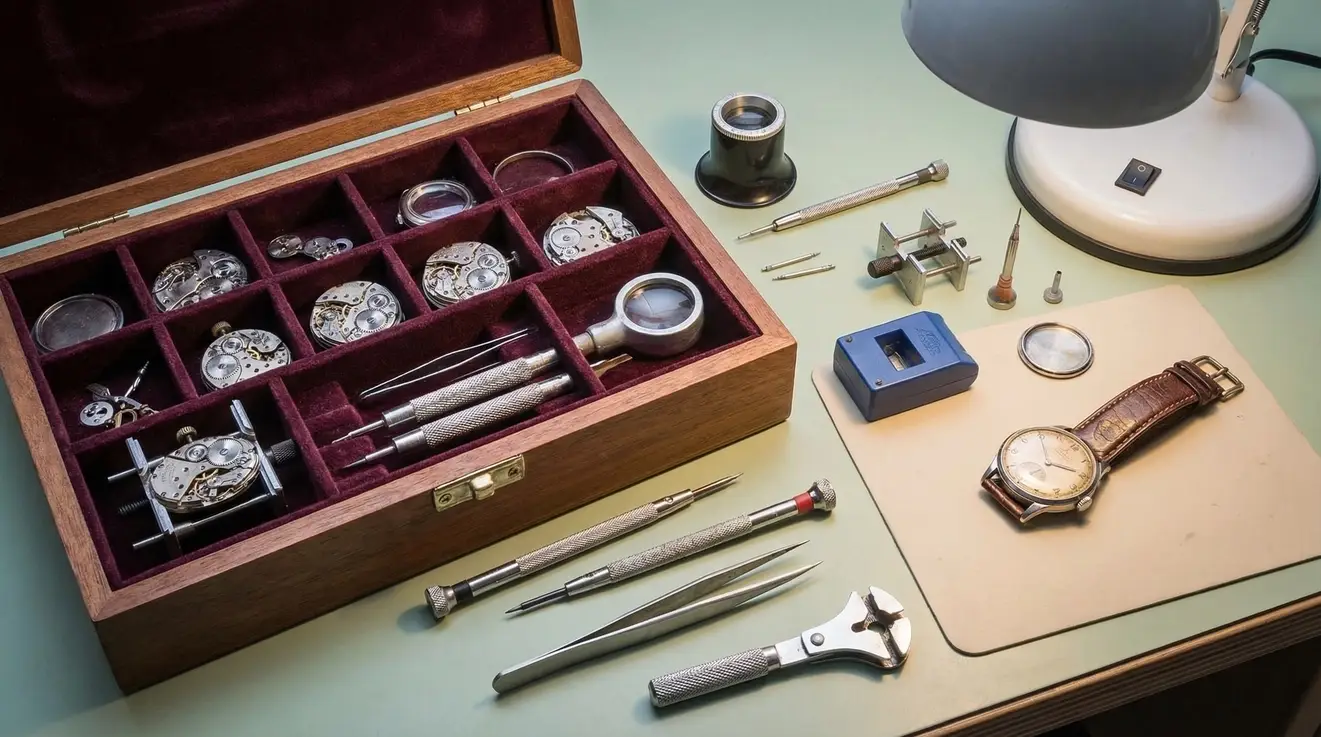
Essential care instructions to keep your super clone timepiece running beautifully for years to come
You have done your research, chosen the perfect model, and finally received your replica watch. The unboxing experience exceeded expectations. The weight feels substantial on your wrist, the dial catches the light beautifully, and the sweeping seconds hand moves with satisfying precision. Everything is perfect.
Now comes a question that many new owners overlook: how do you keep it that way?
A quality super clone watch represents a meaningful investment, both financially and emotionally. Like any precision instrument, it requires proper care to maintain its appearance and performance over time. Unlike disposable fashion accessories, a well-maintained replica can provide years of reliable service and continuing satisfaction.
This guide covers everything you need to know about caring for your clone watch. From daily habits that prevent damage to periodic maintenance that ensures longevity, you will learn the practices that keep your timepiece looking and performing its best.
-
Men
Richard Mille RM 027 tourbillon
Original price was: $354.88.$220.97Current price is: $220.97. Add to cart -
Men
Richard Mille RM 027 tourbillon black
Original price was: $354.88.$220.97Current price is: $220.97. Add to cart -
Men
Richard Mille RM Skeleton — White Case / Blue Strap
Original price was: $401.77.$220.97Current price is: $220.97. Add to cart -
Men
Richard Mille RM11-03
Original price was: $354.88.$220.97Current price is: $220.97. Select options This product has multiple variants. The options may be chosen on the product page


Understanding What You Are Caring For
Before diving into specific care instructions, it helps to understand what your replica watch shares with genuine luxury timepieces and where differences matter.
The Similarities
Quality super clones use genuine sapphire crystal, appropriate stainless steel grades, and mechanical movements containing dozens of tiny components working in precise coordination. These elements require care similar to what authentic watches demand. Lubricants need to flow properly. Gaskets need to remain effective. Delicate parts need protection from shock and magnetism.
The Differences
Your replica almost certainly lacks the extensive quality control and rigorous testing that genuine luxury watches undergo before leaving their factories. Water resistance may vary more between individual pieces. Movement components may use different materials with different wear characteristics. Service infrastructure through official channels does not exist.
These differences do not mean your replica cannot provide excellent service. They simply mean you should adopt conservative care practices that account for these realities.
-
Men
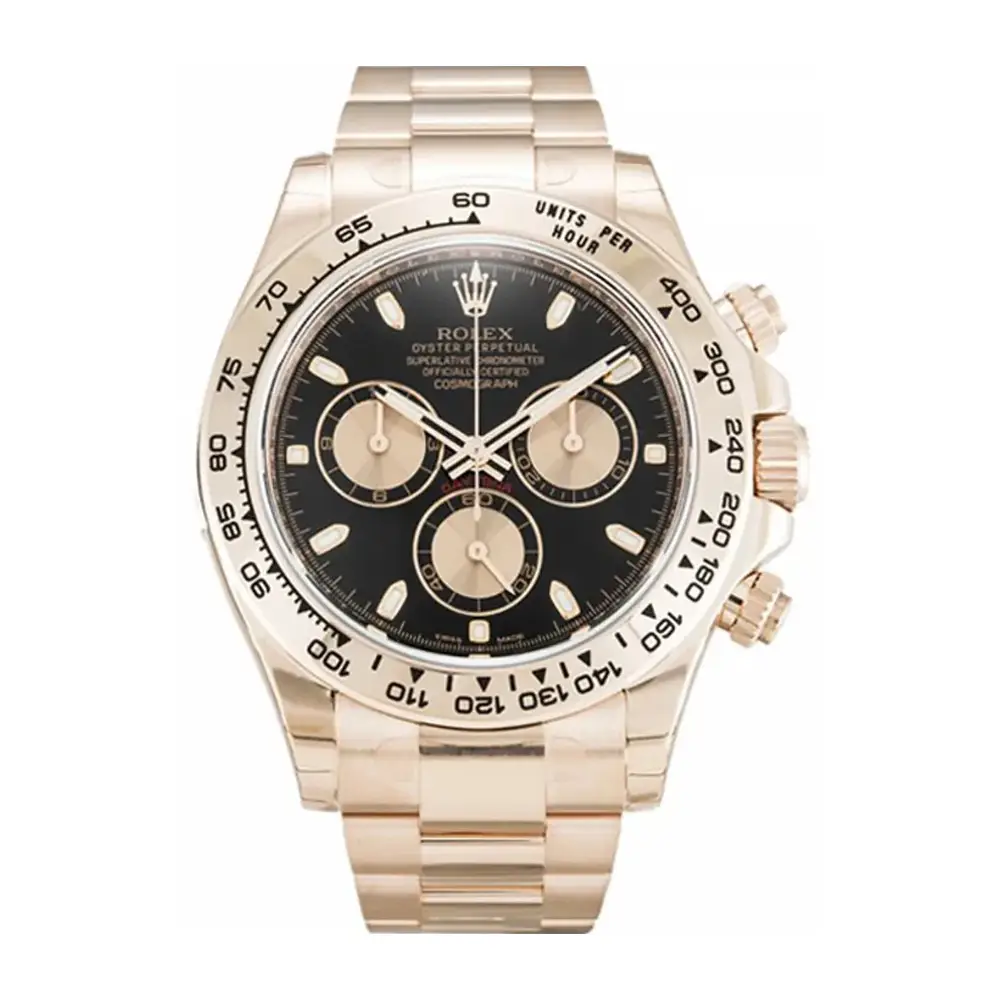
Daytona Gold Black Dial
Original price was: $354.88.$180.79Current price is: $180.79. Add to cart -
Men
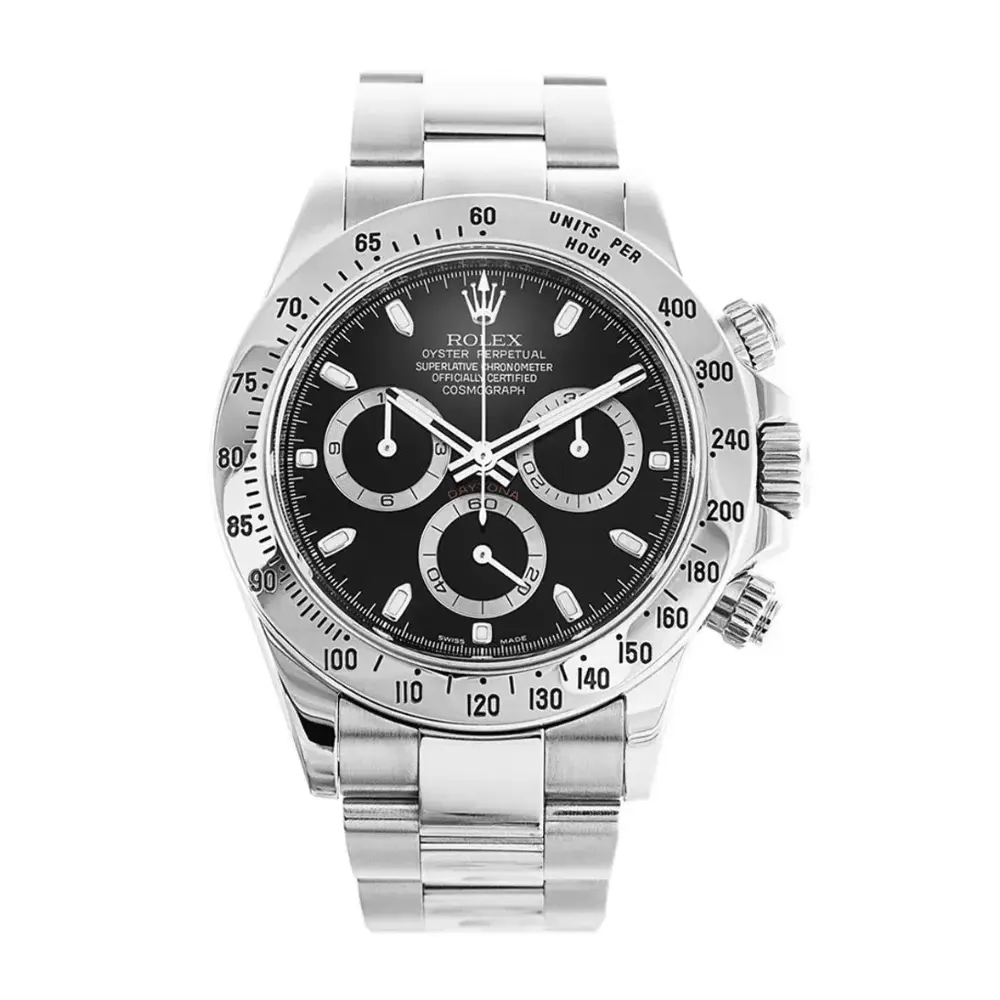
Daytona Stainless Steel, Black Dial
Original price was: $354.88.$180.79Current price is: $180.79. Add to cart -
Men
Rolex Datejust 41 “Mint”
Original price was: $354.88.$180.79Current price is: $180.79. Add to cart


Daily Care: Habits That Protect Your Watch
The simplest care practices involve what you do every day while wearing and handling your timepiece.
Putting It On and Taking It Off
The moments of putting on and removing your watch present the greatest risk of accidental drops. A fall from wrist height onto a hard floor can seriously damage any mechanical watch, replica or genuine.
Develop the habit of handling your watch over soft surfaces. A bed, carpeted floor, or folded towel provides a safety buffer if you fumble. Avoid handling your watch over tile, concrete, or hardwood.
When fastening bracelets, ensure the clasp fully engages before releasing your grip. When using leather straps, take care not to stress the spring bars that attach the strap to the watch case.
Avoiding Shocks
Mechanical movements contain tiny, precisely balanced components. While modern watches tolerate normal daily activity well, significant shocks can affect accuracy or cause damage.
Remove your watch before activities involving repeated impact or vibration. Hammering, using power tools, swinging a golf club, or playing tennis all subject your watch to forces it was not designed to handle.
Temperature Considerations
Extreme temperatures affect lubricant viscosity and can stress components. Avoid leaving your watch in direct sunlight for extended periods, such as on a car dashboard. Similarly, avoid extreme cold when possible.
Rapid temperature changes create condensation risk. Moving from bitter cold into a warm, humid environment can cause moisture to form inside the case if seals are imperfect—a particular concern for replicas.
Magnetism Awareness
Magnetic fields affect mechanical watch accuracy by magnetizing components, particularly the balance spring. Modern life surrounds us with magnetic sources.
Keep your watch away from:
- Smartphone speakers and charging coils
- Laptop and tablet speakers
- Magnetic closures on bags and cases
- Refrigerator magnets
- Induction cooktops
- MRI machines (obviously)
If you suspect your watch has become magnetized, a simple demagnetizing tool can often restore normal operation.
Cleaning Your Watch: Keeping It Looking New
Regular cleaning removes dirt, sweat, and grime that can degrade appearance and, over time, cause wear.
Daily Wipe-Down
After wearing your watch, especially in warm weather or during physical activity, a quick wipe with a soft, lint-free cloth removes sweat and skin oils before they can accumulate. Pay particular attention to the case back, which contacts your skin directly, and the area around the crown.
Bracelet Cleaning
Metal bracelets accumulate dirt between links over time. This buildup can cause irritation and accelerate wear between moving parts.
For regular maintenance, mix a small amount of mild soap with warm water. Dip a soft toothbrush in the solution and gently scrub between bracelet links, around the clasp, and in any crevices. Rinse thoroughly with clean water and dry completely with a soft cloth.
For deeper cleaning, some owners use ultrasonic cleaners designed for jewelry. If you choose this route, remove the bracelet from the watch head first—never place the entire watch in an ultrasonic cleaner, as the vibrations can damage the movement.
Case and Crystal Care
The crystal, whether sapphire or mineral, should be cleaned with a soft, damp cloth. Avoid paper products or rough fabrics that can cause micro-scratches over time.
For the case, gentle wiping with a soft cloth suffices for regular cleaning. For stubborn grime around the bezel or crown guards, a soft toothbrush with mild soap works well. Rinse carefully and dry thoroughly.
Water Exposure After Cleaning
If you have rinsed your watch during cleaning, ensure it is completely dry before wearing. Pay particular attention to the crown area—if your watch has a screw-down crown, ensure it is fully tightened before any water exposure.
Water Resistance: Understanding Limitations
Water resistance represents one of the most misunderstood aspects of watch care, particularly for replicas.
What Water Resistance Ratings Actually Mean
The numbers on watch dials indicate laboratory test conditions, not real-world swimming recommendations. A watch marked “50 meters” is suitable for splashes and brief immersion but not for swimming. “100 meters” supports recreational swimming but not high-impact water sports. “200 meters” and above supports serious diving activity.
However, these ratings apply to watches in new condition with perfect seals. For replicas, conservative interpretation is wise.
The Reality for Replicas
Your replica likely underwent minimal water resistance testing before leaving its factory. While many super clones use genuine gaskets and acceptably constructed cases, individual variation exists.
Safe practice treats your replica as suitable for:
- Hand washing and rain exposure
- Accidental splashes
- Brief immersion in still water
Risky activities include:
- Swimming or showering (water pressure and soap)
- Hot tubs or saunas (heat affects seals)
- Diving or high-pressure water exposure
Maintaining Water Resistance
If you wish to preserve whatever water resistance your watch possesses, have gaskets checked and lubricated periodically by a watchmaker familiar with replicas. This service involves minimal cost compared to the value of protecting your watch from moisture damage.
If Water Gets Inside
Signs of moisture inside your watch include fogging under the crystal, visible droplets, or sudden accuracy changes. If you suspect water ingress, act quickly.
Place the watch in a warm, dry location—not hot, as excessive heat can damage components. A container with silica gel packets can help draw out moisture. However, professional service is the only reliable solution for removing all moisture and addressing any corrosion that may have begun.
Winding and Setting: Proper Techniques
How you wind and set your mechanical watch affects both accuracy and longevity.
Manual Winding
If your watch is automatic, it winds itself through normal wrist motion. However, if it has stopped completely, you will need to give it an initial wind.
Screw-down crowns must be unscrewed before winding—turn counterclockwise until they pop out to the winding position. Wind gently and steadily, about thirty to forty turns for a fully stopped watch. You will feel resistance increase slightly when fully wound; do not force past this point.
Never wind a watch while it is on your wrist, as this stresses the crown stem. Remove it and hold the case securely.
Setting the Time
When setting the time, move the hands forward rather than backward if your movement allows. This reduces stress on gear trains.
Avoid setting the date between approximately 9 PM and 3 AM on watches with simple date mechanisms. During this window, the date change mechanism engages, and forcing manual adjustment can damage components. If you must set the date during these hours, first advance the time to move past the danger zone.
Screwing Down the Crown
For watches with screw-down crowns, ensure the crown is fully tightened after setting. Finger-tight is sufficient—over-tightening can damage crown gaskets or threads. You should feel smooth resistance, then a slight stop when fully seated.
Storage: When You Are Not Wearing Your Watch
Proper storage protects your watch during periods when you are not wearing it.
Watch Boxes and Cases
A dedicated watch box with soft individual compartments keeps your watch safe from scratches and impacts. Individual watch rolls or pouches work well for travel. Avoid storing multiple watches loose together, where they can scratch each other.
Winding and Running
For watches worn regularly, simply letting them stop when removed causes no harm. When you next wear them, a quick reset and wind prepares them for service.
For longer storage periods, consider winding the watch occasionally—perhaps monthly—to keep lubricants distributed and prevent them from congealing in one place.
Environment Considerations
Store watches in cool, dry conditions away from direct sunlight. Excessive humidity accelerates gasket deterioration and can promote corrosion. Extreme dryness can dry out lubricants. Normal indoor conditions suit watches perfectly.
Magnetic fields deserve attention even in storage. Keep watches away from speakers, electronics, and other magnetic sources.
Periodic Maintenance: Keeping the Movement Healthy
Like any mechanical device, your watch requires periodic professional attention to maintain optimal performance.
The Case for Regular Servicing
Mechanical watches contain lubricants that degrade over time. Old lubricants become less effective, increasing friction and wear. Dust and microscopic debris accumulate. Gaskets dry out and lose effectiveness.
For genuine luxury watches, manufacturers recommend service every three to five years. For replicas, opinions vary. Some owners never service their replicas, treating them as disposable when performance degrades. Others invest in professional maintenance to maximize longevity.
A reasonable approach: if your replica runs well, enjoy it. If you notice declining accuracy, difficulty winding, or unusual sounds, professional attention may restore performance.
Finding a Watchmaker
Not all watchmakers will work on replica watches. Those who do typically operate independently rather than through authorized service centers.
Seek recommendations from enthusiast communities. A good independent watchmaker can clean, lubricate, and regulate your movement, often at reasonable cost. Some can also address water resistance by replacing gaskets.
What Servicing Involves
A basic service typically includes:
- Opening the case and removing the movement
- Disassembling the movement
- Cleaning all components in specialized solutions
- Inspecting parts for wear
- Replacing worn components if necessary
- Reassembling with fresh lubricants
- Regulating for accuracy
- Checking and replacing gaskets
- Closing and testing
This process requires specialized tools, skills, and experience. It is not a DIY project for most owners.
Bracelet and Strap Care
Different strap materials require different care approaches.
Metal Bracelets
Solid stainless steel bracelets require minimal maintenance beyond regular cleaning. However, over time, the links and clasp may develop slight loosening.
If your bracelet develops excessive play, a watchmaker can tighten it by compressing the pins that hold links together. This simple service restores solid feel.
Leather Straps
Leather absorbs moisture, oils, and salts from your skin. With wear, leather stiffens, darkens, and eventually cracks.
To maximize leather strap life:
- Rotate between multiple straps to allow drying time
- Avoid wearing leather in situations causing heavy perspiration
- Keep leather away from water
- Apply leather conditioner occasionally to maintain suppleness
- Accept that leather is a consumable item requiring periodic replacement
When a leather strap reaches end of life, replacement is straightforward and relatively inexpensive.
Rubber Straps
Quality rubber straps resist water and wear well but require care to prevent deterioration.
Clean rubber straps with mild soap and water. Avoid exposing them to solvents, harsh chemicals, or extreme heat. Over time, rubber may stiffen or develop surface changes; replacement restores like-new appearance.
NATO and Fabric Straps
These straps can be washed gently with mild soap when they become soiled. Ensure they are completely dry before wearing to prevent skin irritation.
Common Problems and Solutions
Even with excellent care, issues may occasionally arise. Knowing how to respond helps minimize damage.
Watch Running Fast or Slow
All mechanical watches vary in rate depending on position, temperature, and activity level. Minor variation—a few seconds per day—is normal and expected.
If accuracy changes suddenly or dramatically, possible causes include:
- Magnetization (demagnetizing tools are inexpensive)
- Need for regulation (adjustable by watchmaker)
- Need for service (lubricants degraded)
- Shock damage (professional assessment required)
Watch Stopped Completely
If your automatic watch stops while being worn regularly, several possibilities exist:
- Insufficient activity to keep it wound (try manual winding)
- Crown not fully closed on screw-down models
- Movement issue requiring professional attention
Condensation Under Crystal
Moisture inside your watch demands prompt attention. Even small amounts can cause corrosion and damage.
Place the watch in a warm, dry location—not hot. If the condensation clears but returns, moisture remains inside. Professional service is the only reliable solution.
Scratches on Crystal
Sapphire crystal resists scratching remarkably well but can chip or crack on sharp impact. Acrylic or mineral crystals scratch more easily.
For acrylic crystals, specialized polishing compounds can remove light scratches. Sapphire scratches require crystal replacement—a job for a watchmaker.
Scratches on Case and Bracelet
Polished surfaces inevitably acquire fine scratches with wear. These represent normal character development rather than damage.
For those who prefer pristine appearance, professional polishing can restore finish. However, polishing removes metal and should be performed sparingly by someone experienced with the specific finishes on your watch.
When to Seek Professional Help
Some issues demand professional attention. Recognizing these situations prevents minor problems from becoming major ones.
Signs You Need a Watchmaker
- Consistent accuracy beyond 20-30 seconds per day after demagnetizing
- Difficulty winding or setting
- Unusual sounds from the movement
- Crown that feels loose or does not engage properly
- Persistent condensation under crystal
- Watch stops completely despite winding
- Broken or damaged crystal
Finding Help
Watch enthusiast communities often maintain lists of independent watchmakers willing to work on replicas. These professionals understand the value of your timepiece and treat it with appropriate care.
When seeking service, communicate clearly that your watch is a replica. Honesty ensures the watchmaker understands what they are working with and can provide appropriate service.
The Britannia Time Approach to Aftercare
At Britannia Time, our relationship with you extends beyond your initial purchase. We want you to enjoy your watch for years to come.
Quality Foundation
The best care begins with a quality product. Our focus on higher-grade replicas means your watch starts with better materials, more accurate construction, and more reliable movements—all of which respond better to proper maintenance.
Ongoing Support
We remain available to answer questions about care and maintenance. If issues arise, contact us for guidance. While we cannot service watches remotely, we can help you understand what might be happening and suggest appropriate next steps.
Community Knowledge
Connect with other Britannia Time customers to share experiences, tips, and recommendations for watchmakers who understand replicas. Collective knowledge benefits everyone.
The Rewards of Proper Care
Investing attention in proper watch maintenance yields meaningful returns.
Extended Longevity
A well-maintained replica can provide years of reliable service. The difference between a watch that lasts and one that fails often comes down to care practices.
Preserved Appearance
Regular cleaning maintains the fresh appearance that first attracted you to your watch. A clean, well-cared-for timepiece always looks its best.
Consistent Performance
Properly maintained watches run more consistently, providing the reliable timekeeping you expect.
Ongoing Satisfaction
There is genuine satisfaction in wearing a watch that you have cared for well. Each time you glance at your wrist, you appreciate not just the watch itself but your role in maintaining it.
Common Myths About Replica Watch Care
Separating fact from fiction helps you make better care decisions.
Myth: Replicas Require No Maintenance Because They Are Inexpensive
Fact: While the cost difference between servicing a replica and replacing it may favor replacement for very inexpensive pieces, quality super clones represent sufficient investment to justify care. More importantly, proper care ensures continuing satisfaction rather than disappointment.
Myth: You Should Wind Your Automatic Watch Every Morning
Fact: Automatic watches wind themselves through motion. If worn regularly, they need no manual winding. Manual winding when fully wound stresses the movement unnecessarily.
Myth: Water Resistance Is Permanent
Fact: Gaskets dry out and degrade over time. Water resistance should be tested periodically, especially for watches exposed to moisture.
Myth: All Watchmakers Will Service Any Watch
Fact: Many watchmakers refuse to work on replicas for various reasons. Finding the right professional requires research.
Myth: Polishing Keeps Your Watch Looking New
Fact: Polishing removes metal. While it can restore shine, excessive polishing rounds edges and changes a watch’s character. Polish sparingly.
Seasonal Care Considerations
Different conditions throughout the year may affect your watch differently.
Summer
Heat and perspiration increase wear on straps and gaskets. Clean your watch more frequently during hot months. Consider rubber or metal bracelets rather than leather for summer wear.
Winter
Cold temperatures affect lubricant viscosity. Your watch may run slightly differently in extreme cold—this is normal. Condensation risk increases when moving from cold outdoors to warm indoors.
Humid Climates
High humidity accelerates gasket deterioration and creates condensation risk. Store watches with silica gel packets in humid environments.
Dry Climates
Extreme dryness can accelerate lubricant evaporation. Normal indoor humidity in dry climates remains acceptable for watch storage.
Traveling With Your Watch
When you take your watch on journeys, additional considerations apply.
Packing for Travel
Transport your watch in a dedicated case or pouch, not loose among other items. If checking luggage, keep your watch in carry-on luggage to protect against loss and rough handling.
Airport Security
Metal detectors and security scanners do not damage mechanical watches. However, the conveyor belts and bins can scratch cases—place your watch in a pocket or carry-on rather than sending it through in a bin.
Time Zone Changes
For watches with date displays, advance the time through the hour hand if possible rather than using the quick-set date feature repeatedly. This reduces stress on date change mechanisms.
Hotel Safes
Hotel room safes are generally safe for watch storage. However, be aware that some safes use magnetic locks that could affect your watch. When in doubt, keep your watch with you.
Insurance and Documentation
While replicas cannot be insured through traditional valuable articles policies, maintaining documentation of your purchase remains wise.
Keeping Records
Save photographs of your watch, particularly any identifying features. Retain records of when and where you purchased it. This documentation helps if you ever need to prove ownership or describe your watch to a watchmaker.
Valuing Your Timepiece
While your replica lacks the investment value of a genuine luxury watch, its personal value to you remains real. Treat it accordingly.
Final Thoughts: Caring for What Matters
Your replica watch represents more than its cost in currency. It represents your appreciation for fine design, your desire for quality, and your personal expression of style. These intangibles deserve preservation through proper care.
The practices outlined in this guide require minimal time and attention but yield significant rewards. A clean, well-maintained watch that runs accurately and reliably provides continuing satisfaction year after year. A neglected watch disappoints and fails prematurely.
At Britannia Time, we want you to enjoy your watch for the long term. We carefully select our offerings with durability and quality in mind. We provide guidance to help you make informed choices. And we remain available as a resource throughout your ownership experience.
Your watch has the potential to provide years of service and satisfaction. With proper care, it will fulfill that potential beautifully.
Ready to begin your watch ownership journey with confidence? Explore our collection at Britannia Time and discover timepieces built to last.