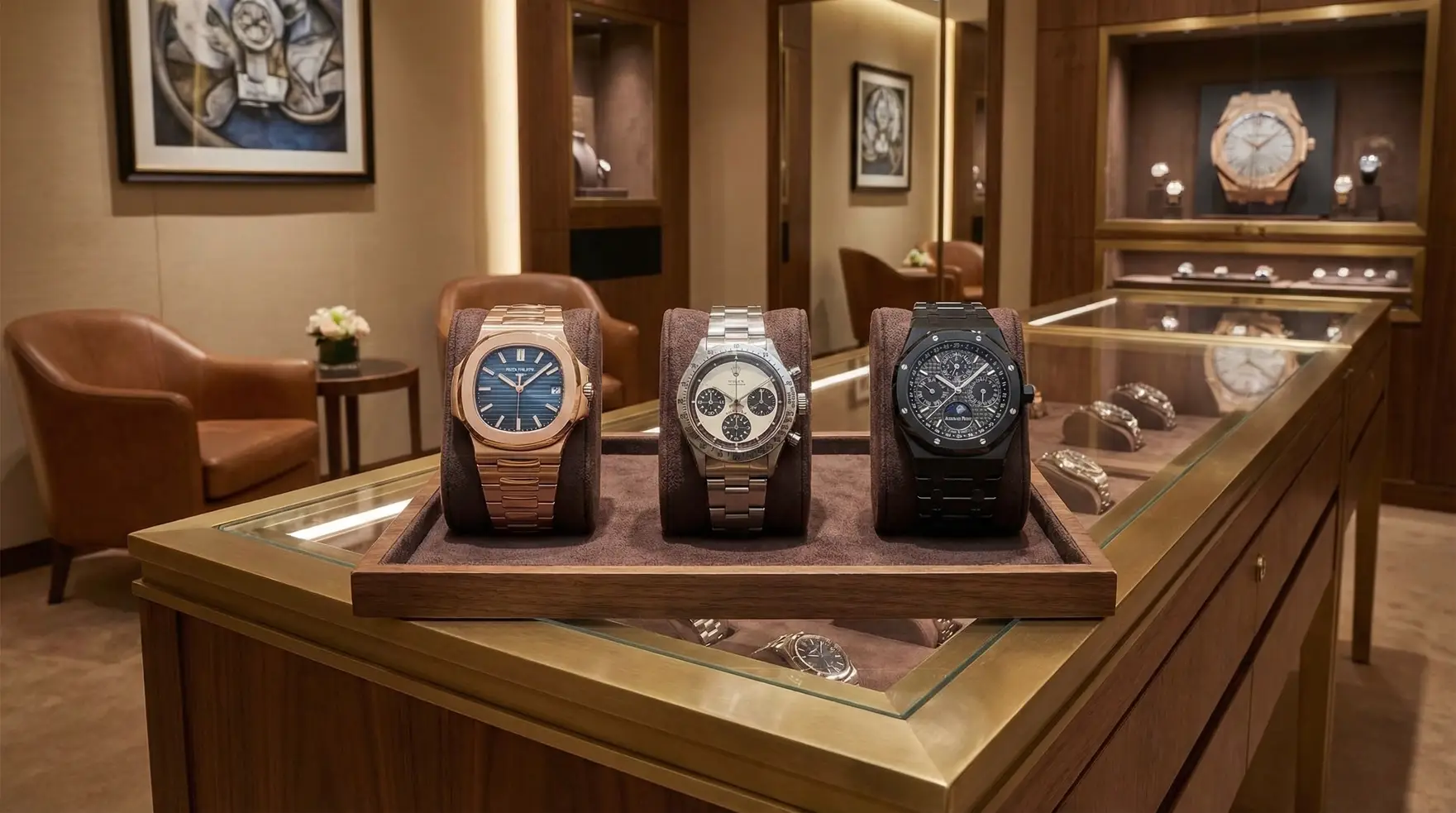
As manufacturing technology reaches new heights, the difference between authentic luxury watches and their high-end replicas has never been narrower—leaving collectors, retailers, and even auction houses facing an unprecedented challenge.
There was a time when spotting a fake watch required nothing more than a quick glance. The telltale signs were obvious: a ticking second hand on a supposedly automatic watch, misspelled brand names, or a case that felt conspicuously light on the wrist. Those days are vanishing into history.
Today, a new breed of replica has emerged that is forcing the entire watch industry to reconsider what authenticity truly means. Known as “super clones” or “1:1 replicas,” these meticulously engineered timepieces have reached a level of precision that blurs the line between imitation and original to an almost indistinguishable degree.
The implications are profound. Recent data from leading pre-owned marketplaces reveals that authentication rejections have surged dramatically, with a significant percentage of watches submitted for sale failing verification checks—a stark increase from just a few years earlier. Perhaps most tellingly, Rolex models account for the majority of these rejected watches by volume. The counterfeiters aren’t just getting better; they’re specifically targeting the most desirable brands with alarming precision.
This article explores the rapidly narrowing gap between super clone watches and their genuine counterparts, examining the technological advancements driving this trend, the challenges facing authentication professionals, and what this means for collectors and enthusiasts navigating today’s complex watch landscape.
-
Men
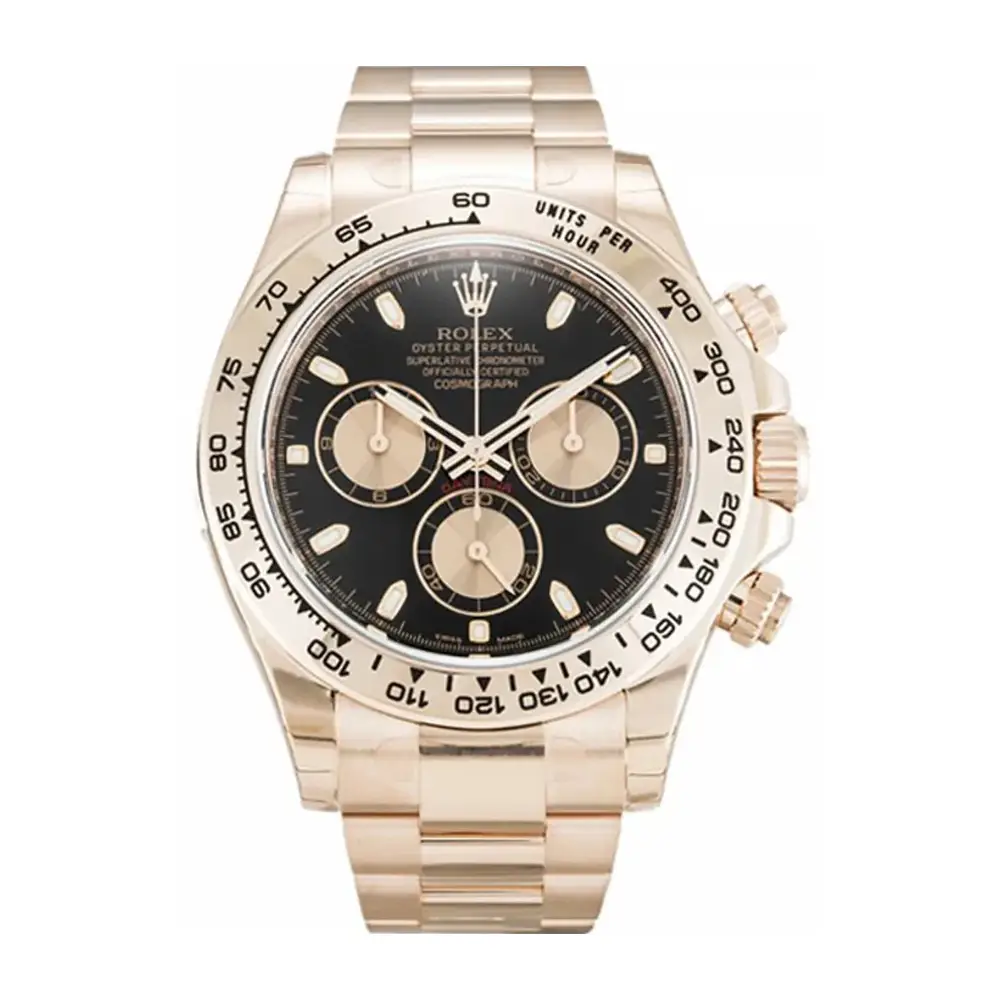
Daytona Gold Black Dial
Original price was: $354.88.$180.79Current price is: $180.79. Add to cart -
Men
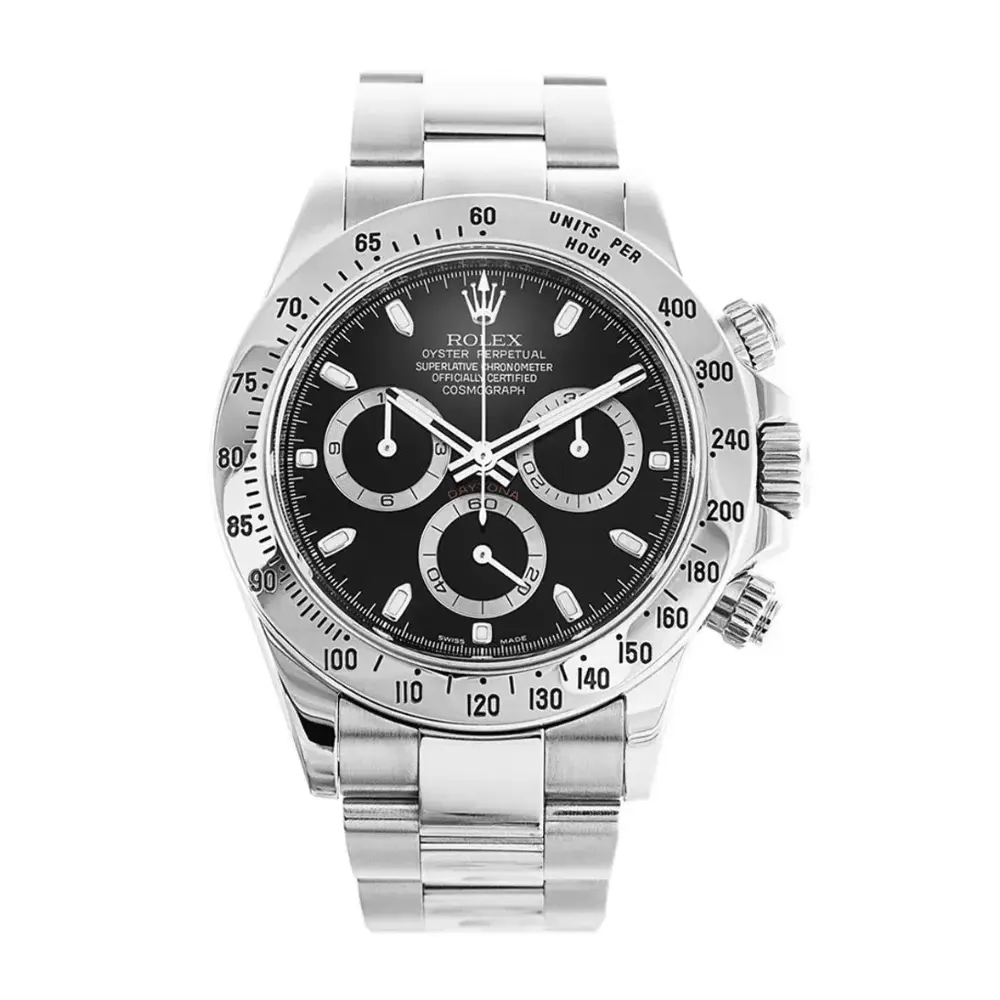
Daytona Stainless Steel, Black Dial
Original price was: $354.88.$180.79Current price is: $180.79. Add to cart -
Men
Rolex Datejust 41 “Mint”
Original price was: $354.88.$180.79Current price is: $180.79. Add to cart


Understanding the Super Clone Phenomenon
To appreciate just how far replicas have come, we must first understand what distinguishes a super clone from the counterfeit watches of the past.
From Obvious Fakes to Precision Instruments
The replica watch market has historically been divided into distinct tiers. Low-end imitations feature obvious defects, cheap materials, and quartz movements that immediately betray their origins. Mid-range replicas improve upon appearance but typically falter in movement quality and finer details.
Super clones represent something entirely different. These premium replicas are engineered to mirror luxury watches with remarkable fidelity, focusing not merely on external appearance but on replicating the entire experience—including the internal mechanics. Manufacturers invest heavily in recreating every aspect of genuine timepieces, from case dimensions and weight to dial finishing and movement decoration.
The Hallmarks of Modern Super Clones
What sets today’s high-end replicas apart is the extraordinary attention paid to every component. Leading manufacturers utilize:
Case Materials and Construction: Premium super clones typically employ high-grade stainless steel—the same material used by luxury brands like Rolex. Case dimensions are replicated with minimal tolerance, ensuring that the watch wears and feels authentic on the wrist.
Crystal Quality: While standard replicas might use mineral glass that scratches easily, top-tier super clones now incorporate scratch-resistant sapphire crystal, matching the optical clarity and durability of genuine luxury watches.
Dial Accuracy: Perhaps the most visually critical element, super clone dials replicate applied indices, lume placement, date window positioning, and surface textures with stunning precision.
Movement Replication: This represents the most significant advancement. Rather than using generic movements, high-end replicas employ clone movements designed to mimic the construction, appearance, and operation of authentic mechanical calibers—complete with decorated rotors, Geneva stripes, and engravings that mirror the originals.
The Technology Driving Convergence
Several factors have contributed to the narrowing gap between genuine and replica watches, with manufacturing technology leading the charge.
Advanced Manufacturing Techniques
Modern super clone production leverages sophisticated methods that were previously unavailable to replica manufacturers. CNC machining enables precise case fabrication with tolerances measured in microns. Laser engraving creates crisp, accurate markings on case backs and movements. Advanced material sourcing provides access to high-quality stainless steel, ceramic components, and sapphire crystal.
These technologies allow replica manufacturers to achieve levels of precision that were once the exclusive domain of legitimate luxury watch houses. The result is a product that increasingly resembles the genuine article not just visually, but in feel and function.
The Factory Ecosystem
The super clone market has evolved into a sophisticated ecosystem of specialized manufacturing operations. Various factories have developed reputations for excellence in specific areas. Some are known for models with complex complications like chronographs, while others excel at classic designs such as the Submariner.
This specialization has driven quality improvements across the board, as factories compete to produce the most accurate replicas of the most sought-after models. The result is a continuous upward spiral in quality that benefits no one but challenges everyone involved in authentication.
Movement Innovation
Perhaps the most significant technical advancement lies in movement replication. Today’s super clones often incorporate modified automatic movements based on reliable Japanese or Chinese calibers, carefully tuned to replicate the performance characteristics of genuine Swiss movements.
High-tier replicas now feature clone movements that mirror the construction and decoration of authentic calibers. These movements achieve respectable accuracy—typically within a few seconds per day—and provide the smooth sweeping seconds hand that watch enthusiasts demand. Some even offer power reserves comparable to their genuine counterparts.
-
Men
Patek Philippe Calatrava
Original price was: $354.88.$180.79Current price is: $180.79. Add to cart -
Men
Patek Philippe Cubitus – Rose Gold (Brown Dial)
Original price was: $354.88.$180.79Current price is: $180.79. Add to cart -
Men
Patek Philippe Golden Ellipse
Original price was: $354.88.$180.79Current price is: $180.79. Add to cart -
Men
Patek Philippe Golden Ellipse
Original price was: $354.88.$180.79Current price is: $180.79. Add to cart


The Authentication Crisis
As super clones have grown more sophisticated, the task of distinguishing genuine watches from their high-end replicas has become increasingly difficult—even for experienced professionals.
Alarming Market Statistics
The scale of the authentication challenge is starkly illustrated by recent data from the pre-owned market. Authentication platforms report that rejection rates for submitted watches have soared dramatically. This significant increase reflects both the growing sophistication of counterfeiters and the tightening of verification standards in response.
Industry analysis suggests that periods of strong demand and constrained supply tend to expose weak points in the market, with inconsistencies in stated condition, undisclosed modifications, and departures from period correctness becoming more common as sellers become more aggressive.
The Rolex Factor
Rolex, as the most counterfeited luxury watch brand, faces particular challenges. The brand accounts for a disproportionately high percentage of rejected watches compared to its share of actual sales.
This concentration reflects the intense demand for Rolex watches and the corresponding incentive for counterfeiters to perfect their replicas of the most popular models. From the Submariner and Daytona to the GMT-Master II, nearly every sought-after reference has been targeted by super clone manufacturers.
Industry leaders have acknowledged the seriousness of the issue, noting that in some points of sale, the second-most-sold “brand” after new Rolex watches was actually pre-owned Rolex watches—a market segment particularly vulnerable to authenticity issues. This recognition has prompted the launch of certified pre-owned programs designed to ensure buyer confidence through rigorous authentication.
When Experts Cannot Tell the Difference
Perhaps the most compelling evidence of how far super clones have come comes from detailed comparisons conducted by knowledgeable enthusiasts.
The GMT-Master II Comparison
A notable case study involves collectors who have owned both genuine Rolex GMT-Master II models and super clone versions of the same reference. Their detailed comparisons, shared within watch communities, reveal just how narrow the gap has become.
Collectors consistently find that distinguishing the two watches from a standard viewing distance is virtually impossible without prior knowledge of which is which. Even side-by-side, the differences are subtle enough to escape casual observation.
Key findings typically include:
Case and Dimensions: Both watches share identical height, thickness, and proportions. The ceramic bezel functions identically, with the same smooth click rotation and precise feel. The case finishing, including polished and brushed surfaces, matches remarkably well.
Dial Details: Super clone dials feature correct fonts, properly positioned text, and well-executed applied indices. The date magnification cyclops, when viewed straight on, shows minimal difference from the genuine article. Distinguishing subtle variations often requires macro photography rather than normal vision.
Bracelet and Clasp: Bracelet finishing, particularly on polished surfaces, closely mirrors genuine watches. Case back and bracelet engravings are executed with surprising precision.
Weight Considerations: The only easily measurable difference is often weight—genuine watches may use slightly different steel alloys compared to replicas, though this difference would be imperceptible to most wearers.
Many collectors arrive at striking conclusions: super clones have reached a level where selling the genuine watch and keeping the replica seems a reasonable consideration—not because of deception, but because the replica delivers such convincing performance at a fraction of the cost.
The Movement Question
Even movement performance, traditionally a weak point for replicas, has improved dramatically. Many super clones utilize modified automatic movements, decorated to resemble genuine calibers. After extended use, collectors report strong, accurate timekeeping and respectable power reserve—performance that would satisfy many everyday wearers.
The Industry Responds: Authentication Technology
As counterfeiters have raised their game, the legitimate industry has responded with increasingly sophisticated authentication methods.
Traditional Authentication Challenges
Conventional authentication relies on expert examination of telltale details: case finishing quality, dial printing precision, hand alignment, and movement finishing. But as super clones improve, these traditional markers become less reliable.
Even movement analysis, long considered a reliable differentiator, faces challenges. Master watchmakers have reported servicing replica vintage pieces that run so smoothly their beat error is better than many originals. The movement’s sound signature can be flawless. Yet under extreme magnification, subtle depth variations in jewel placement may reveal the truth—details invisible to standard examination.
AI-Powered Authentication
Artificial intelligence has emerged as a powerful tool in the authentication arsenal. Modern authentication platforms utilize sophisticated algorithms trained on thousands of genuine watches, capable of identifying microscopic inconsistencies that human eyes might miss.
These systems analyze everything from crown etching precision to the exact spacing of dial text, creating digital fingerprints that distinguish genuine from replica with remarkable accuracy. Machine learning models continuously improve as they encounter new variations of super clones, staying ahead of counterfeiters’ evolving techniques.
Microanalysis and Material Science
Beyond visual examination, authentication now incorporates material analysis. X-ray fluorescence spectroscopy can determine the exact elemental composition of watch cases, revealing whether metals match genuine specifications. This technology detects subtle differences in alloy composition that visual inspection cannot reveal.
Similarly, advanced microscopy reveals manufacturing signatures—the microscopic tool marks left by specific machining processes. Genuine watches bear the hallmarks of their legitimate production methods, while replicas reveal different manufacturing origins under sufficient magnification.
Blockchain and Digital Authentication
The industry is also exploring blockchain-based solutions that create immutable records of a watch’s provenance. Digital certificates linked to specific serial numbers, combined with secure databases of authenticated watches, provide buyers with verifiable history.
Some manufacturers are incorporating hidden authentication features—microscopic engravings, UV-reactive markings, or encrypted chips—that remain difficult for counterfeiters to replicate. These layered security measures create multiple barriers that super clone manufacturers must overcome.
The Human Element: What Collectors Need to Know
For watch enthusiasts navigating this complex landscape, knowledge remains the most powerful tool.
Buying with Confidence
When purchasing luxury watches, particularly on the secondary market, several practices help ensure authenticity:
Establish Trusted Sources: Develop relationships with authorized dealers and reputable pre-owned specialists who have established authentication processes. While no source is infallible, established dealers have reputations to protect and typically employ rigorous verification procedures.
Request Comprehensive Documentation: Original papers, warranty cards, and service history provide valuable provenance. While documents can be forged, their absence should raise questions and their presence warrants verification.
Understand the Specific Reference: Before purchasing a particular model, study its known characteristics. Learn the precise details of dial variations, correct case dimensions, and movement features specific to that reference. Knowledge of what to expect provides the foundation for spotting anomalies.
Consider Professional Authentication: For significant purchases, independent authentication by specialized services adds an additional layer of confidence. These experts examine watches using the full range of technological and traditional methods.
The Value of Authenticity
Despite the impressive quality of modern super clones, authentic watches retain fundamental advantages:
Heritage and Legacy: Genuine luxury watches carry decades of brand history, design evolution, and manufacturing excellence. They represent continuity with watchmaking traditions that replicas cannot claim.
Investment Potential: While watches should primarily be purchased for enjoyment, authentic pieces from desirable brands have historically maintained or increased in value. Replicas have no secondary market value and cannot be sold legitimately.
Serviceability and Longevity: Authorized service centers will only work on genuine watches, ensuring proper maintenance using authentic parts. Replicas, even high-quality examples, lack this support infrastructure and typically have shorter functional lifespans.
Craftsmanship Appreciation: For true enthusiasts, the appreciation of fine watchmaking extends beyond appearance to include the skill, innovation, and artistry embodied in genuine timepieces. This deeper appreciation cannot be satisfied by replication alone.
Looking Forward: The Future of Authentication
As super clone technology continues advancing, the authentication landscape will inevitably evolve.
The Arms Race Continues
The relationship between counterfeiters and authenticators resembles an arms race, with each advance in replica technology prompting corresponding improvements in verification methods. This dynamic shows no signs of slowing.
Future authentication may incorporate increasingly sophisticated technologies: spectroscopic analysis becoming more portable and accessible, artificial intelligence capable of identifying ever more subtle manufacturing signatures, and perhaps even biological markers integrated into luxury goods.
Education and Transparency
Industry efforts to educate consumers about authentication will likely expand. Manufacturers may provide more detailed reference materials about their products’ authentic characteristics. Retailers may invest in training programs that enhance staff capabilities to identify sophisticated replicas.
Marketplace platforms face ongoing pressure to strengthen their authentication processes and provide greater transparency about their verification methods. Buyers increasingly expect guarantees of authenticity backed by meaningful recourse if those guarantees prove insufficient.
The Role of Collectors
Watch enthusiasts themselves play a crucial role in maintaining market integrity. Community knowledge sharing—discussing newly identified replica tells, sharing experiences with particular sellers, and collectively maintaining awareness of emerging threats—creates an informal intelligence network that benefits all participants.
Final Thoughts
The rising quality of super clone watches represents both a technological achievement and a significant challenge to the luxury watch industry. For collectors and enthusiasts, the message is clear: vigilance has never been more essential.
When even experienced professionals can be deceived, and when side-by-side comparisons reveal minimal differences, the importance of informed purchasing through trusted channels cannot be overstated. The days when authenticity could be assumed based on casual inspection are behind us.
Yet for those who value what genuine watches represent—heritage, craftsmanship, innovation, and the intangible connection to horological tradition—the pursuit of authenticity remains worthwhile. Super clones may capture appearance, but they cannot capture history. They may replicate function, but they cannot replicate the satisfaction of owning a piece of watchmaking legacy.
At Britannia Time, we believe in the enduring value of authenticity. In a world where boundaries blur and distinctions fade, genuine craftsmanship maintains its significance. Whether you are beginning your collection or adding to an established portfolio, we invite you to explore timepieces whose authenticity matches their beauty—watches whose stories are as genuine as the materials from which they are crafted.
After all, time reveals all truths. Make yours authentic.